Introduction
In the modern digital landscape, search engines have become the primary gateway for users to discover information, products, and services. Websites compete not only for visibility but also for authority, relevance, and user engagement. To succeed in this environment, businesses and content creators rely heavily on search engine optimization (SEO), which is broadly divided into on-page and off-page techniques.
Among these, on-page SEO plays a foundational role in determining how well a webpage performs in search engine results. It involves optimizing individual web pages to make them more understandable, relevant, and valuable for both users and search engines.
The Primary Goal Of On-Page SEO Optimization is to ensure that a webpage is fully optimized so search engines can easily understand its content while also providing an excellent experience for users. This dual focus on search engine clarity and user satisfaction is what ultimately drives higher rankings and better organic traffic.
In this detailed guide, we will explore what on-page SEO is, its core purpose, its essential elements, and how it contributes to website success in the long run.
Understanding On-Page SEO
On-page SEO refers to all the optimization techniques applied directly within a webpage to improve its visibility in search engine results. Unlike off-page SEO, which focuses on external factors like backlinks and social signals, on-page SEO is entirely within the control of website owners.
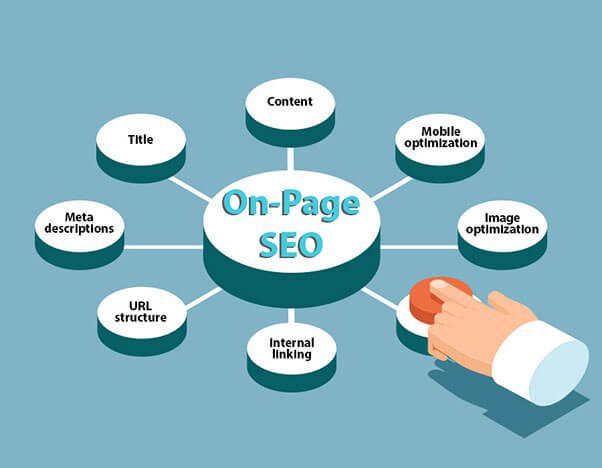
It includes optimizing:
- Content quality and relevance
- HTML structure and tags
- Keyword placement
- Internal linking
- Page speed and mobile usability
- User experience signals
When done correctly, on-page SEO helps search engines like Google understand the context of a page and determine its relevance to user queries.
At its core, the Primary Goal Of On-Page SEO Optimization is to align a webpage’s content and structure with search engine ranking criteria while ensuring it meets user expectations.
The Core Purpose Behind On-Page SEO
The central purpose of on-page SEO is not just to insert keywords or adjust meta tags. Instead, it focuses on creating a meaningful connection between user intent and content delivery.
The Primary Goal Of On-Page SEO Optimization can be summarized as:
- Improving search engine understanding of content
- Enhancing user experience and engagement
- Increasing organic visibility and rankings
- Driving relevant and targeted traffic
Search engines have evolved significantly. They no longer rely solely on keyword matching but also analyze content depth, relevance, structure, and user satisfaction signals. This makes on-page optimization more important than ever.
Why On-Page SEO Matters
On-page SEO is essential because it forms the foundation of every successful website. Without proper optimization, even high-quality content may fail to rank.
Here are key reasons why it matters:
1. Improves Search Engine Understanding
Search engines use crawlers to scan and index web pages. Proper optimization helps them interpret content accurately.
2. Enhances User Experience
Well-structured pages are easier to read, navigate, and engage with.
3. Boosts Organic Rankings
Optimized pages are more likely to appear on the first page of search results.
4. Increases Click-Through Rates
Clear titles and meta descriptions attract more users.
5. Builds Content Relevance
Helps match content with user search intent effectively.
All these factors directly connect back to the Primary Goal Of On-Page SEO Optimization, which is to create a seamless balance between search engine requirements and user satisfaction.
Key Elements of On-Page SEO Optimization
To fully understand on-page SEO, it is important to break it down into its core components.
Content Quality and Relevance
Content is the heart of any webpage. High-quality content that answers user queries effectively is crucial.
Search engines prioritize content that is:
- Informative and detailed
- Easy to understand
- Original and valuable
- Aligned with search intent
Without strong content, no optimization strategy can succeed.
Keyword Optimization
Keywords help search engines understand what a page is about. However, modern SEO focuses on natural keyword usage rather than stuffing.
The Primary Goal Of On-Page SEO Optimization includes using keywords strategically in:
- Titles
- Headings
- First paragraphs
- Meta descriptions
- Throughout content naturally
Proper keyword placement improves visibility without harming readability.
Title Tags and Meta Descriptions
Title tags and meta descriptions are often the first elements users see in search results.
- Title tags define the main topic of a page
- Meta descriptions summarize the content
Well-crafted titles and descriptions increase click-through rates and improve overall SEO performance.
URL Structure
Clean and descriptive URLs help both users and search engines understand page content.
For example:
- Good: /seo-on-page-optimization-guide
- Poor: /page?id=12345
A structured URL improves indexing and ranking potential.
Internal Linking
Internal links connect different pages within a website. They help:
- Distribute page authority
- Improve navigation
- Keep users engaged longer
Proper internal linking supports the Primary Goal Of On-Page SEO Optimization by guiding both users and search engines through relevant content paths.
Image Optimization
Images enhance user experience but must be optimized for performance.
Best practices include:
- Using descriptive file names
- Adding alt text
- Compressing image size
- Using appropriate formats
Optimized images improve loading speed and accessibility.
Page Speed Optimization
Page speed is a critical ranking factor. Slow websites lead to higher bounce rates and lower rankings.
Improving speed involves:
- Reducing unnecessary scripts
- Optimizing images
- Using caching techniques
- Choosing reliable hosting
Fast-loading pages significantly improve user satisfaction.
Mobile Friendliness
With the majority of users browsing on mobile devices, mobile optimization is essential.
Responsive design ensures:
- Proper display on all devices
- Easy navigation
- Better user engagement
Search engines prioritize mobile-friendly websites in rankings.
User Experience (UX)
User experience plays a major role in SEO success. A well-optimized page should be easy to navigate and visually appealing.
Key UX factors include:
- Clear layout
- Readable fonts
- Logical structure
- Minimal distractions
A positive user experience directly supports the Primary Goal Of On-Page SEO Optimization.
How On-Page SEO Aligns With Search Intent
Search intent refers to the reason behind a user’s query. It can be informational, navigational, or transactional.
On-page SEO ensures that content matches this intent by:
- Providing relevant answers
- Structuring content clearly
- Using appropriate tone and depth
When content aligns with intent, it performs better in search rankings.
The Role of Content Structure
Proper structure helps users and search engines navigate content easily. This includes:
- Headings and subheadings
- Paragraph segmentation
- Bullet points and lists
- Logical flow of ideas
Structured content improves readability and engagement.
Importance of E-E-A-T in On-Page SEO
E-E-A-T stands for Experience, Expertise, Authoritativeness, and Trustworthiness. Search engines use these signals to evaluate content quality.
To improve E-E-A-T:
- Provide accurate information
- Demonstrate expertise
- Use credible references
- Maintain transparency
Strong E-E-A-T supports long-term SEO success.
Common Mistakes in On-Page SEO
Many websites fail to rank due to simple mistakes such as:
- Keyword stuffing
- Poor content quality
- Slow page speed
- Duplicate content
- Weak internal linking
Avoiding these errors is essential for achieving the Primary Goal Of On-Page SEO Optimization effectively.
Advanced On-Page SEO Strategies
Beyond basic optimization, advanced strategies include:
- Semantic keyword usage
- Content clustering
- Schema markup implementation
- Behavioral analytics optimization
- Content refresh strategies
These techniques help websites maintain long-term rankings and relevance.
Measuring On-Page SEO Success
Success can be measured using:
- Organic traffic growth
- Keyword ranking improvements
- Bounce rate reduction
- Time spent on page
- Conversion rates
Tracking these metrics helps refine optimization strategies.
Future of On-Page SEO
SEO continues to evolve with AI, machine learning, and user behavior analysis. Future on-page SEO will focus more on:
- Intent-based optimization
- AI-generated search understanding
- Personalized content delivery
- Voice search optimization
Despite changes, the Primary Goal Of On-Page SEO Optimization will remain consistent: delivering the most relevant and valuable content to users.