Search engines have become highly advanced in how they understand, evaluate, and rank websites. Among all ranking elements, On-Page SEO Factors remain one of the most powerful and controllable aspects of search optimization. They determine how well a page communicates its relevance, quality, and value to both users and search engines.
In today’s competitive digital environment, businesses, bloggers, and marketers must understand how these elements shape online visibility. Without proper optimization, even high-quality content can struggle to appear on search results.
This article explores the importance, structure, and impact of On-Page SEO Factors, along with actionable insights to improve website performance.
Understanding the Foundation of On-Page Optimization
On-page optimization refers to all improvements made directly within a website to enhance its ranking potential. These improvements help search engines understand what the page is about and how useful it is for users.
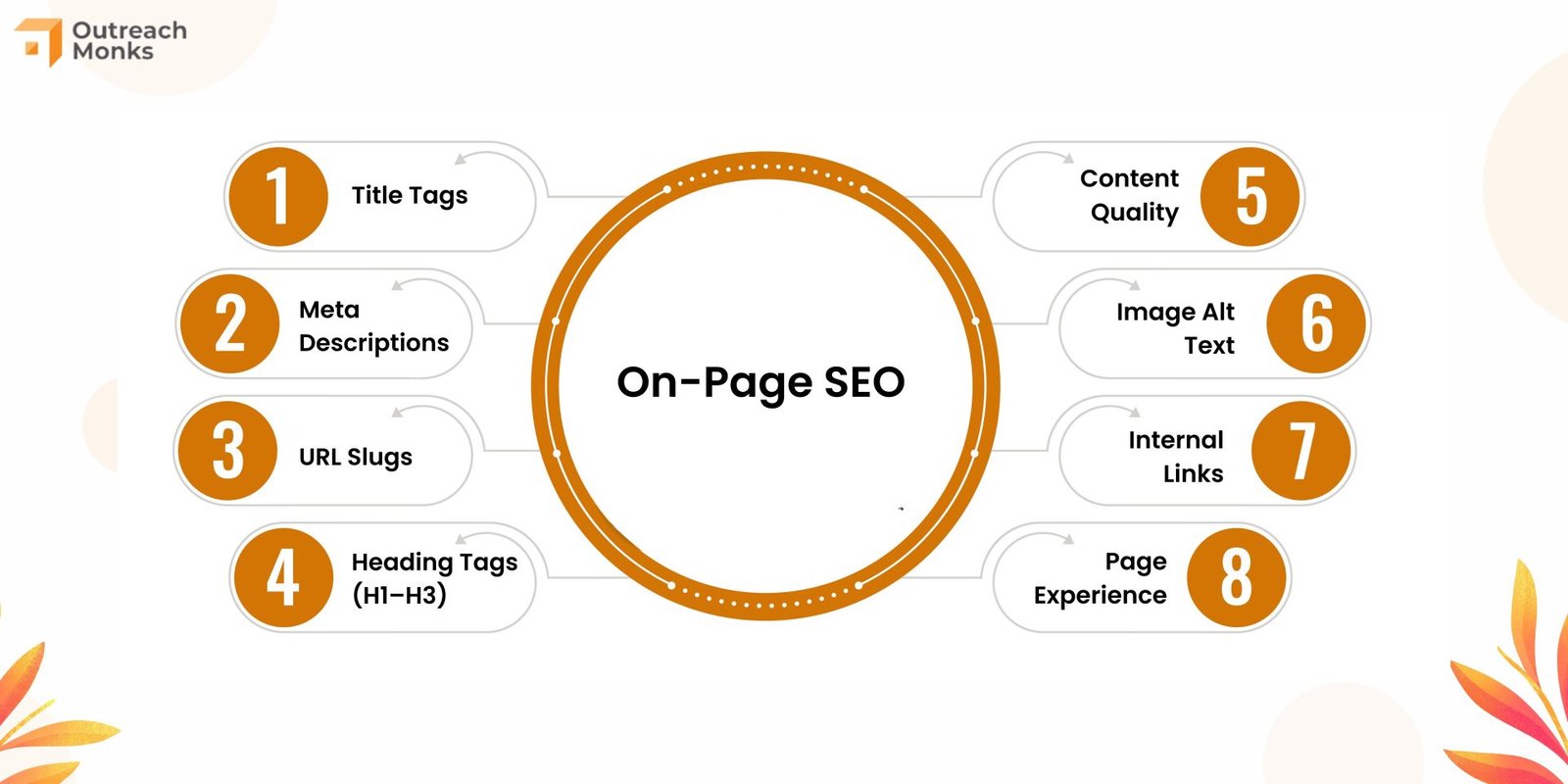
The foundation of On-Page SEO Factors includes:
- Content quality and relevance
- Keyword placement and optimization
- HTML structure and tags
- Internal linking structure
- User experience signals
Each of these components works together to improve a webpage’s authority and clarity.
Why On-Page SEO Matters More Than Ever
Search engines aim to provide users with the most accurate and helpful content. Because of this, well-optimized pages tend to perform better.
On-Page SEO Factors directly influence:
- Search engine understanding of content
- User engagement and readability
- Website ranking potential
- Click-through rates from search results
When these elements are properly optimized, even new websites can compete with established domains.
Content Quality as the Core Ranking Driver
High-quality content remains the heart of any SEO strategy. Search engines analyze how informative, structured, and valuable the content is for users.
Good content should:
- Answer user questions clearly
- Provide in-depth explanations
- Be structured with headings and subheadings
- Include natural keyword usage
Among all On-Page SEO Factors, content quality carries the most weight because it directly impacts user satisfaction.
Keyword Optimization and Strategic Placement
Keyword usage helps search engines understand the topic of a page. However, modern SEO focuses on natural integration rather than keyword stuffing.
Proper keyword strategy includes:
- Using primary and secondary keywords naturally
- Including keywords in headings and introductions
- Maintaining semantic relevance
- Avoiding over-optimization
The phrase On-Page SEO Factors should appear naturally within content to reinforce topical relevance without appearing forced.
When used correctly, On-Page SEO Factors help search engines match your content with user search intent more effectively.
Title Tags and Meta Descriptions
Title tags and meta descriptions are critical components that influence both rankings and click-through rates.
A well-optimized title tag should:
- Include the main keyword
- Be clear and engaging
- Stay within optimal character length
Meta descriptions should:
- Summarize page content
- Encourage users to click
- Include relevant keywords naturally
These elements are essential On-Page SEO Factors because they serve as the first impression in search results.
Header Structure and Content Organization
Proper use of headings improves readability and helps search engines understand content hierarchy.
A well-structured page includes:
- Main heading (H1)
- Subheadings (H2)
- Supporting sections (H3 and beyond)
Organized content enhances user experience and increases time spent on the page. This makes header optimization one of the most important On-Page SEO Factors.
URL Structure and Search Engine Clarity
Clean and descriptive URLs improve both SEO and user trust.
An optimized URL should:
- Be short and readable
- Include relevant keywords
- Avoid unnecessary symbols or numbers
Search engines use URL structure as part of On-Page SEO Factors to determine page relevance and hierarchy.
Internal Linking and Website Navigation
Internal links connect different pages within a website, helping distribute authority and improve navigation.
Benefits include:
- Better indexing of pages
- Improved user experience
- Increased session duration
Strong internal linking is one of the most underrated On-Page SEO Factors, yet it significantly enhances overall site performance.
Image Optimization and Visual SEO
Images improve user engagement, but they must be optimized correctly to benefit SEO.
Key practices include:
- Using descriptive file names
- Adding alt text
- Compressing image size for speed
- Using relevant visuals
Proper image optimization is an important part of On-Page SEO Factors because it supports accessibility and page speed.
Page Loading Speed and Performance
Website speed is a critical ranking factor. Slow websites often experience higher bounce rates and lower rankings.
To improve speed:
- Optimize images
- Use efficient coding practices
- Reduce unnecessary scripts
- Enable caching
Speed optimization is closely tied to On-Page SEO Factors, as it directly affects user satisfaction and search engine evaluation.
Mobile Responsiveness and User Experience
With the majority of users browsing through mobile devices, responsive design is essential.
A mobile-friendly website should:
- Adapt to different screen sizes
- Maintain readability
- Offer smooth navigation
Mobile optimization is one of the strongest On-Page SEO Factors because search engines prioritize mobile-first indexing.
Content Readability and Engagement
Readable content keeps users engaged and encourages them to stay longer on a page.
Improving readability involves:
- Using short paragraphs
- Adding bullet points
- Avoiding complex language
- Structuring content logically
Engagement metrics such as time on page and bounce rate are influenced by On-Page SEO Factors, especially content clarity.
User Intent and Content Relevance
Understanding user intent is essential for creating effective content. Every search query has a purpose, whether informational, navigational, or transactional.
To align with intent:
- Analyze target audience needs
- Provide direct answers
- Structure content around user expectations
Relevance is a key part of On-Page SEO Factors, ensuring that content satisfies what users are looking for.
Structured Data and Search Enhancement
Structured data helps search engines understand content more clearly. It enhances visibility through rich results like snippets.
Benefits include:
- Improved search appearance
- Better indexing
- Higher click-through rates
Structured data strengthens On-Page SEO Factors by providing additional context to search engines.
Content Freshness and Updates
Regularly updating content signals that a website is active and reliable.
Updating includes:
- Adding new information
- Improving outdated sections
- Enhancing keyword relevance
Fresh content is an important aspect of On-Page SEO Factors, as search engines prefer updated and accurate information.
Behavioral Signals and User Interaction
Search engines analyze how users interact with a webpage to determine its quality.
Key behavioral signals include:
- Click-through rate
- Time spent on page
- Bounce rate
- Pages per session
These signals are influenced by strong On-Page SEO Factors, especially content quality and usability.
Advanced Keyword Variations and Semantic SEO
Modern SEO focuses on meaning rather than exact keyword repetition. Semantic optimization helps search engines understand context better.
Practices include:
- Using related terms
- Covering topic variations
- Answering related questions
This evolution strengthens On-Page SEO Factors by improving content depth and relevance.
Technical Elements Supporting On-Page SEO
While content is important, technical elements also play a major role.
These include:
- Proper HTML structure
- Canonical tags
- Secure HTTPS connection
- Clean coding practices
Technical improvements enhance On-Page SEO Factors by ensuring search engines can crawl and index pages efficiently.
Importance of Consistency in Optimization
SEO is not a one-time task. Continuous optimization ensures long-term success.
Consistency involves:
- Regular content updates
- Monitoring performance
- Improving user experience
- Adjusting keyword strategy
Sustained focus on On-Page SEO Factors ensures stable growth in rankings and traffic.
Relationship Between On-Page and Off-Page SEO
Although this article focuses on on-page optimization, it works best when combined with external SEO strategies.
On-page SEO builds foundation, while off-page SEO builds authority.
However, without strong On-Page SEO Factors, external efforts may not deliver maximum results.
Common Mistakes to Avoid
Many websites fail due to poor optimization practices.
Common mistakes include:
- Keyword stuffing
- Ignoring mobile optimization
- Poor content structure
- Slow loading speed
Avoiding these errors helps strengthen On-Page SEO Factors and improves ranking performance.
Future of On-Page SEO Optimization
SEO continues to evolve with artificial intelligence and machine learning. Search engines are becoming better at understanding intent, context, and user satisfaction.
Future trends include:
- More focus on user experience
- Advanced semantic understanding
- Increased importance of engagement metrics
Despite changes, On-Page SEO Factors will remain central to ranking strategies.
Final Thoughts
On-page optimization is the backbone of every successful SEO strategy. It determines how search engines interpret your website and how users interact with it.
When properly implemented, On-Page SEO Factors significantly improve visibility, traffic, and engagement. From content quality to technical structure, every element plays a role in building a strong digital presence.