Introduction
Search engine optimization continues to evolve, but some foundational elements remain critical for success. One of these core elements is the structure of your website URLs. Many website owners overlook this aspect, focusing instead on content or backlinks, yet the correct URL for SEO plays a significant role in how search engines understand and rank your pages.
A well-structured URL is not only beneficial for search engines but also improves user experience, increases click-through rates, and builds trust. Whether you are managing a blog, an eCommerce store, or a corporate website, understanding URL optimization can give you a competitive edge.
In this comprehensive guide, we will explore everything you need to know about creating the correct URL for SEO, including best practices, common mistakes, and practical strategies to implement immediately.
Understanding URLs in SEO
What Is a URL?
A URL (Uniform Resource Locator) is the web address used to access a specific page on the internet. It typically consists of several components:
- Protocol (https://)
- Domain name (example.com)
- Path (/blog/seo-guide/)
- Parameters (optional)
Each part of a URL provides information to both users and search engines.
Why URLs Matter for SEO
URLs serve as a ranking signal for search engines. While they are not the most powerful factor, they contribute to:
- Page relevance
- User experience
- Crawlability
- Indexing efficiency
Using the correct URL for SEO helps search engines quickly understand what your page is about, improving its chances of ranking higher.
Characteristics of the Correct URL for SEO
1. Short and Simple Structure
Short URLs are easier to read, remember, and share. Search engines also prefer concise URLs because they are easier to crawl.
Example:
- Good: example.com/seo-tips
- Bad: example.com/category/2024/seo-guide-for-beginners-and-experts
2. Use of Keywords
Including relevant keywords in your URL helps search engines identify the topic of your page. This is where the correct URL for SEO becomes highly valuable.
However, avoid keyword stuffing. Keep it natural and meaningful.
Example:
- Good: example.com/correct-url-for-seo
- Bad: example.com/seo-url-best-seo-url-correct-url-seo
3. Use Hyphens Instead of Underscores
Search engines treat hyphens as word separators, while underscores are often ignored.
- Correct: seo-friendly-url
- Incorrect: seo_friendly_url
4. Lowercase Letters
Always use lowercase letters in URLs. Mixed case can create duplicate content issues.
- Correct: example.com/seo-guide
- Incorrect: example.com/SEO-Guide
5. Avoid Special Characters
Special characters like &, %, $, and @ can confuse search engines and users.
Stick to letters, numbers, and hyphens.
Importance of User Experience in URL Structure
Readability
A clean and readable URL builds trust. Users are more likely to click on a link that clearly describes the content.
Shareability
Simple URLs are easier to share on social platforms, emails, and messaging apps.
Trust Factor
Users often judge a website based on its URL. A well-structured URL appears more professional and reliable.
Best Practices to Create the Correct URL for SEO
1. Keep URLs Relevant to Page Content
Your URL should reflect the content of the page. This alignment helps both users and search engines.
2. Avoid Stop Words
Words like “and,” “or,” “the,” and “of” can usually be removed to keep URLs concise.
- example.com/guide-to-seo → example.com/seo-guide
3. Use Static URLs
Static URLs are preferred over dynamic ones with multiple parameters.
- Static: example.com/seo-basics
- Dynamic: example.com/page?id=123&ref=seo
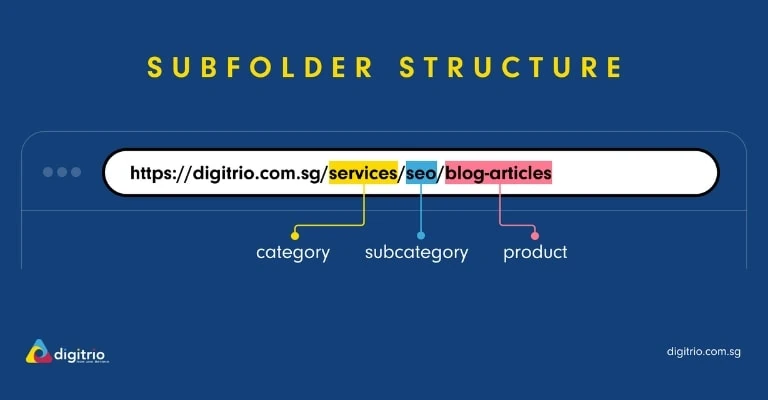
4. Maintain a Logical Hierarchy
Organize your URLs to reflect your site structure.
- example.com/blog/seo/url-optimization
This helps search engines understand the relationship between pages.
5. Use HTTPS
Secure URLs (https) are a ranking factor and build user trust.
Common Mistakes to Avoid
1. Keyword Stuffing
Overloading your URL with keywords can harm your rankings.
2. Using Long URLs
Long URLs are harder to read and may be truncated in search results.
3. Ignoring Redirects
If you change a URL, always use a 301 redirect to preserve SEO value.
4. Duplicate URLs
Multiple URLs pointing to the same content can confuse search engines.
5. Using Dates in URLs
Including dates can make content appear outdated over time.
Role of URLs in Search Engine Crawling
Search engines use bots to crawl websites. A clean URL structure helps:
- Faster crawling
- Better indexing
- Improved ranking
When your site follows the correct URL for SEO, it becomes easier for bots to navigate and understand your content.
URL Structure for Different Types of Websites
Blogs
- example.com/blog/topic-name
eCommerce Sites
- example.com/category/product-name
Corporate Websites
- example.com/services/service-name
Each type of website benefits from a structured and logical URL format.
How URLs Affect Click-Through Rate (CTR)
A well-optimized URL can improve your CTR by:
- Clearly indicating page content
- Building trust
- Appearing cleaner in search results
Users are more likely to click on URLs that look relevant and professional.
Technical SEO and URLs
Canonical URLs
Canonical tags help prevent duplicate content issues by specifying the preferred version of a page.
URL Parameters
Avoid excessive use of parameters as they can create multiple versions of the same page.
XML Sitemaps
Ensure all important URLs are included in your sitemap for better indexing.
Mobile Optimization and URLs
With mobile-first indexing, URLs should:
- Load quickly
- Be easy to read on small screens
- Avoid unnecessary complexity
URL Optimization Tools
There are many tools available to analyze and improve your URL structure:
- SEO audit tools
- Website crawlers
- Analytics platforms
These tools help identify issues and suggest improvements.
Future Trends in URL Optimization
Voice Search
As voice search grows, URLs should align with natural language queries.
AI and Search Engines
Search engines are becoming smarter, but clean URLs still provide valuable context.
User Intent Focus
Future SEO will prioritize user intent, making descriptive URLs even more important.
Practical Examples of Optimized URLs
Example 1
Before: example.com/page123?id=seo
After: example.com/seo-guide
Example 2
Before: example.com/blog/article-about-seo-2024-update
After: example.com/seo-update
How to Audit Your Existing URLs
Step 1: Analyze Structure
Check if URLs are short, clear, and keyword-rich.
Step 2: Identify Errors
Look for:
- Broken links
- Duplicate pages
- Long URLs
Step 3: Implement Fixes
Use redirects and update internal links accordingly.
Internal Linking and URL Strategy
Internal links should use consistent and optimized URLs. This helps:
- Distribute page authority
- Improve navigation
- Enhance user experience
Measuring the Impact of URL Optimization
Track the following metrics:
- Organic traffic
- Bounce rate
- CTR
- Keyword rankings
Improving the correct URL for SEO often leads to noticeable gains in these areas.
Final Thoughts
Creating the correct URL for SEO is not complicated, but it requires attention to detail and consistency. From keyword usage to structure and readability, every element plays a role in improving your website’s performance.
A well-optimized URL not only helps search engines understand your content but also enhances user experience and trust. By following the best practices outlined in this guide, you can build a strong foundation for your SEO strategy.
Remember, SEO success is built on many small improvements, and URL optimization is one of the most impactful yet often overlooked areas. Start refining your URLs today and enjoy long-term benefits in visibility and ranking.
Conclusion
The importance of the correct URL for SEO cannot be overstated. It influences how your website is perceived by both search engines and users. Clean, concise, and keyword-rich URLs contribute to better rankings, improved user experience, and higher engagement.