Introduction
Search engine optimization has evolved dramatically over the years, and keyword strategy remains at its core. Businesses, bloggers, and digital marketers constantly debate one important question: which type of keyword brings better results—short, broad keywords or longer, specific phrases?
Understanding the difference between these two approaches is essential if you want to increase both traffic and conversions. While many focus only on ranking high in search engines, the real success lies in turning visitors into loyal readers or customers.
In this detailed guide, we will explore Long Tail Keywords Vs Head Keywords conversion rate, compare their strengths, and help you choose the right strategy for your content. By the end, you will clearly understand which approach works best for your goals and how to use both effectively.
Understanding Keywords in SEO
Before diving deeper, it is important to understand what keywords actually represent in SEO.
Keywords are the words and phrases users type into search engines to find information. They act as a bridge between your content and the audience searching for it.
There are two primary categories:
- Head Keywords
- Long Tail Keywords
Each serves a different purpose and plays a unique role in your SEO strategy.
What Are Head Keywords?
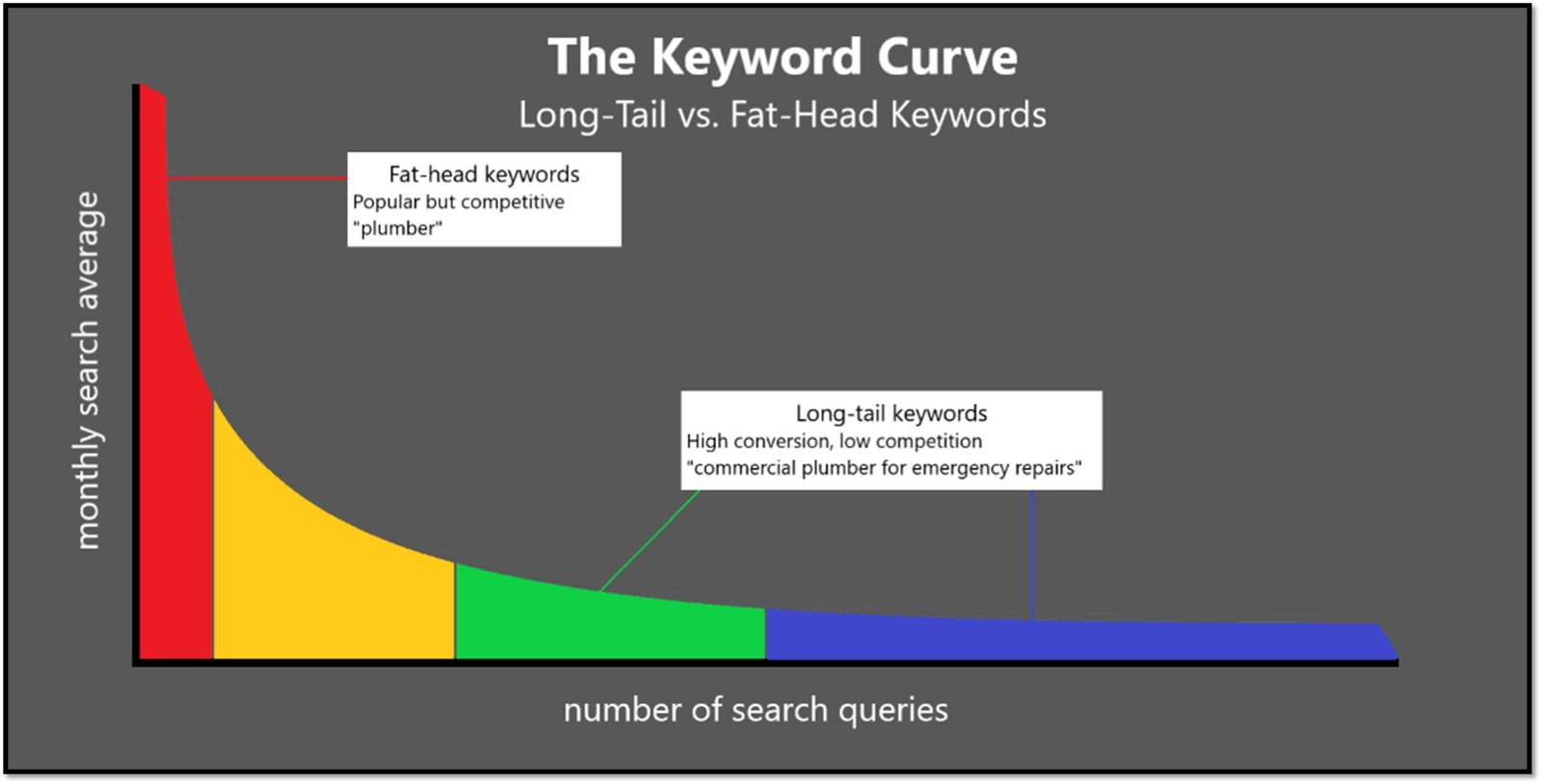
Head keywords are short, broad, and highly competitive search terms. They usually contain one or two words and attract a massive search volume.
Examples of Head Keywords
- Shoes
- SEO
- Marketing
- Health
- Travel
Characteristics of Head Keywords
High Search Volume
Head keywords receive thousands or even millions of searches every month.
Broad Intent
These keywords do not clearly define what the user wants.
High Competition
Many websites compete for these keywords, making ranking difficult.
Low Conversion Rate
Because user intent is unclear, visitors may not take action.
What Are Long Tail Keywords?
Long tail keywords are longer, more specific search phrases that usually contain three or more words.
Examples of Long Tail Keywords
- Best running shoes for beginners
- How to improve SEO in 2026
- Healthy diet plan for weight loss
- Affordable travel destinations in Asia
Characteristics of Long Tail Keywords
Lower Search Volume
Each keyword gets fewer searches, but combined they generate significant traffic.
Specific Intent
Users searching these phrases know exactly what they want.
Low Competition
Fewer websites target these keywords, making ranking easier.
Higher Conversion Rate
Visitors are more likely to take action because their intent is clear.
Long Tail Keywords Vs Head Keywords Conversion Rate Explained
When comparing Long Tail Keywords Vs Head Keywords conversion rate, the key difference lies in user intent.
Head keywords attract a wide audience, but not all visitors are ready to act. Long tail keywords, on the other hand, target users who are closer to making a decision.
Why Conversion Rate Matters
Conversion rate measures how many visitors complete a desired action, such as:
- Signing up for a newsletter
- Making a purchase
- Clicking on a link
- Downloading a resource
High traffic means little if it does not lead to conversions.
Why Long Tail Keywords Have Higher Conversion Rates
1. Clear User Intent
Long tail keywords reflect a specific need. For example:
- A user searching “laptop” may just be browsing.
- A user searching “best budget laptop for students under $500” is ready to decide.
This clarity leads to higher conversions.
2. Targeted Audience
Long tail keywords attract users who are already interested in a specific topic or product. This means:
- Less bounce rate
- More engagement
- Better conversion chances
3. Less Competition
Because fewer websites target long tail keywords, your content has a better chance of ranking higher. Higher rankings mean:
- More visibility
- More qualified traffic
- More conversions
4. Better Content Alignment
When you use long tail keywords, your content directly matches what users are searching for. This improves:
- User experience
- Time on page
- Trust and credibility
Why Head Keywords Still Matter
Even though long tail keywords often win in conversions, head keywords still play an important role.
1. Brand Awareness
Head keywords help you reach a broader audience and increase visibility.
2. High Traffic Potential
These keywords bring large volumes of visitors to your site.
3. Authority Building
Ranking for head keywords establishes your website as an authority in your niche.
Comparing Long Tail Keywords and Head Keywords
Search Volume
- Head Keywords: Very high
- Long Tail Keywords: Low individually, high collectively
Competition
- Head Keywords: Extremely high
- Long Tail Keywords: Low to moderate
User Intent
- Head Keywords: Broad and unclear
- Long Tail Keywords: Specific and clear
Conversion Rate
- Head Keywords: Low
- Long Tail Keywords: High
SEO Difficulty
- Head Keywords: Hard to rank
- Long Tail Keywords: Easier to rank
Real-World Example of Conversion Differences
Let’s consider an online store selling sports shoes.
Using Head Keyword
Keyword: “running shoes”
- Traffic: High
- Conversion: Low
Using Long Tail Keyword
Keyword: “best running shoes for flat feet beginners”
- Traffic: Moderate
- Conversion: High
Even though fewer people search for the second phrase, those who do are more likely to purchase.
How to Use Long Tail Keywords Effectively
1. Understand Your Audience
Know what your audience is searching for. Focus on:
- Problems
- Questions
- Needs
2. Use Keyword Research Tools
Find long tail keywords using tools like:
- Google autocomplete
- Keyword planners
- SEO tools
3. Create High-Quality Content
Ensure your content:
- Answers specific queries
- Provides value
- Is easy to read
4. Optimize On-Page SEO
Include long tail keywords in:
- Titles
- Headings
- Meta descriptions
- Content naturally
5. Focus on Intent-Based Content
Write content that solves real problems rather than just targeting keywords.
How to Use Head Keywords Strategically
1. Use Them for Main Pages
Head keywords work well for:
- Homepage
- Category pages
2. Combine with Long Tail Keywords
Use both types together to maximize results.
3. Build Authority Over Time
Start with long tail keywords, then gradually target head keywords.
Combining Both for Maximum Results
The best strategy is not choosing one over the other but combining both.
Step-by-Step Approach
- Start with long tail keywords to gain quick rankings
- Build traffic and authority
- Gradually target head keywords
- Create pillar content supported by long tail articles
Content Strategy for Better Conversion Rates
1. Create Topic Clusters
Group related content around a central topic.
2. Use Internal Linking
Link long tail articles to main pages to improve SEO.
3. Update Content Regularly
Keep your content fresh and relevant.
Common Mistakes to Avoid
1. Ignoring User Intent
Targeting keywords without understanding intent reduces conversions.
2. Overusing Keywords
Keyword stuffing harms readability and SEO.
3. Focusing Only on Traffic
High traffic does not always mean high conversions.
4. Neglecting Long Tail Keywords
Ignoring long tail keywords means missing out on high-converting traffic.
Benefits of Focusing on Conversion Rate
When you prioritize conversion rate over traffic:
- You get better ROI
- You attract quality visitors
- You improve user satisfaction
Future of Keyword Strategy
SEO trends are shifting toward:
- Voice search
- Conversational queries
- User intent optimization
This means long tail keywords will become even more important in the future.
Also Read: 10 Common SEO Mistakes That Are Killing Your Google Rankings?
Final Thoughts
The debate around Long Tail Keywords Vs Head Keywords conversion rate is not about choosing one over the other—it is about understanding their roles.
Head keywords bring visibility and traffic, while long tail keywords bring precision and conversions. If your goal is to grow sustainably, you must balance both strategies.
However, if conversions are your primary focus, long tail keywords should be your starting point. They connect you directly with users who are ready to take action.
By combining both approaches wisely, you can build a strong SEO foundation that drives not just traffic—but meaningful results.
Conclusion
In today’s competitive digital landscape, success depends on more than just ranking high in search results. It depends on attracting the right audience and guiding them toward action.
Understanding Long Tail Keywords Vs Head Keywords conversion rate allows you to make smarter decisions, create better content, and achieve higher returns from your efforts.