Introduction
In the modern world of digital marketing, ranking on search engines is no longer just about stuffing articles with popular keywords. Search engines have evolved, and so have user behaviors. Today, users search with specific phrases, questions, and intent-driven queries. This is where Long Tail Keywords become essential.
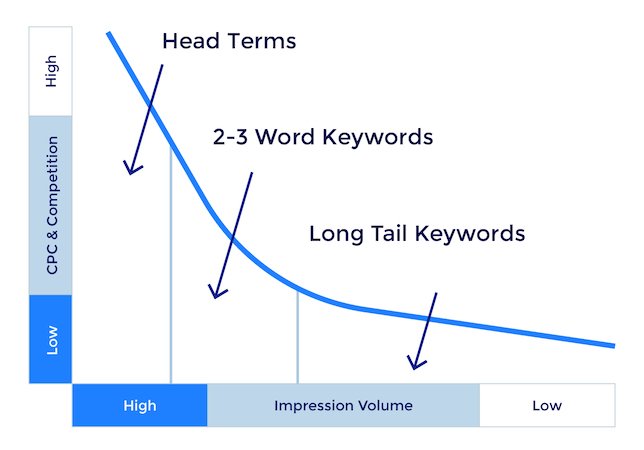
Understanding how to integrate Long Tail Keywords into blog posts can significantly improve your visibility, bring targeted traffic, and enhance user engagement. These keywords may have lower search volume compared to broad keywords, but they often convert better because they match precise user intent.
This article will guide you step-by-step on how to effectively use Long Tail Keywords in your blog posts, ensuring better rankings and meaningful traffic.
What Are Long Tail Keywords?
Long Tail Keywords are longer and more specific keyword phrases that users type into search engines. Instead of searching for “shoes,” a user might search for “comfortable running shoes for beginners.”
Key Characteristics:
- Usually contain 3–6 words
- Lower competition
- Higher conversion rates
- More specific user intent
For example:
- Short keyword: “laptop”
- Long Tail Keyword: “best budget laptop for students under $500”
These keywords help you target a niche audience who already knows what they want.
Why Long Tail Keywords Matter in Blogging
1. Less Competition
Short keywords are highly competitive, making it difficult for new blogs to rank. Long Tail Keywords, on the other hand, face less competition, giving you a better chance to appear on the first page.
2. Higher Conversion Rates
Users searching with specific phrases are more likely to take action. Whether it’s reading, subscribing, or purchasing, targeted traffic performs better.
3. Better User Intent Matching
Search engines prioritize content that matches user intent. Long Tail Keywords help you align your content with exactly what users are searching for.
4. Improved Content Relevance
Using specific keywords allows you to create highly focused and valuable content, improving reader satisfaction.
Types of Long Tail Keywords
Understanding different types of Long Tail Keywords helps you use them more effectively.
1. Informational Keywords
These are used when users are looking for information.
Example: “how to write SEO-friendly blog posts”
2. Navigational Keywords
Users search for a specific website or page.
Example: “best blogging tools website”
3. Transactional Keywords
Users intend to take action.
Example: “buy affordable blogging courses online”
4. Commercial Investigation Keywords
Users are comparing options before making a decision.
Example: “best SEO tools for beginners”
How to Find Long Tail Keywords
1. Use Search Engine Suggestions
Start typing a query in Google, and it will suggest related searches. These are real queries used by users.
2. Analyze “People Also Ask” Section
This section provides common questions related to your topic, perfect for Long Tail Keywords.
3. Use Keyword Research Tools
Tools like keyword planners and SEO platforms help you discover relevant keyword variations.
4. Explore Forums and Communities
Platforms like discussion forums and Q&A sites reveal how people naturally ask questions.
5. Analyze Competitor Content
Look at blogs in your niche and identify what keywords they are targeting.
How to Integrate Long Tail Keywords in Blog Posts
Now comes the most important part—using Long Tail Keywords effectively without overstuffing.
1. Use Them Naturally in the Title
Your blog title should include your focus keyword in a natural way. This helps both users and search engines understand your topic.
Example:
“How to Integrate Long Tail Keywords in Blog Posts Effectively”
2. Place Keywords in the Introduction
Mention your focus keyword early in the introduction to establish relevance.
3. Use Keywords in Headings
Including keywords in H2 and H3 headings improves readability and SEO.
4. Spread Keywords Throughout the Content
Avoid stuffing. Instead, use them naturally within paragraphs.
5. Include Keywords in Meta Description
This improves click-through rates from search engine results.
6. Optimize Image Alt Text
Add descriptive alt text with keywords to improve accessibility and SEO.
7. Use Synonyms and Variations
Instead of repeating the same keyword, use related terms to keep content natural.
Best Practices for Using Long Tail Keywords
1. Focus on User Intent
Always write for humans first, not search engines.
2. Avoid Keyword Stuffing
Overusing keywords can harm your ranking.
3. Maintain Content Quality
High-quality content is more important than keyword density.
4. Keep Content Readable
Use simple language and clear structure.
5. Update Content Regularly
Refresh old blog posts with new keywords and updated information.
Common Mistakes to Avoid
1. Ignoring Search Intent
Using keywords without understanding user intent leads to poor engagement.
2. Overloading Keywords
Too many keywords make content unnatural and difficult to read.
3. Not Using Variations
Repeating the same phrase reduces content quality.
4. Poor Content Structure
Lack of headings and organization affects readability.
5. Ignoring Analytics
Failing to track performance means missing opportunities for improvement.
Examples of Long Tail Keyword Integration
Example 1: Blog Post Introduction
Instead of writing:
“This article is about blogging.”
Write:
“This guide explains how to integrate Long Tail Keywords into blog posts to improve SEO performance.”
Example 2: Heading Usage
Bad:
“Tips for SEO”
Good:
“Effective Tips to Use Long Tail Keywords in Blog Posts”
Example 3: Natural Placement
Bad:
“Long Tail Keywords are important. Long Tail Keywords help ranking. Long Tail Keywords improve SEO.”
Good:
“Using specific keyword phrases helps improve ranking and attract targeted readers.”
How Long Tail Keywords Improve SEO Strategy
1. Boost Organic Traffic
Targeted keywords attract users who are genuinely interested in your content.
2. Improve Search Rankings
Lower competition makes it easier to rank higher.
3. Enhance User Engagement
Relevant content keeps users on your page longer.
4. Increase Conversion Rates
Visitors are more likely to take action when content matches their needs.
Content Optimization Tips
1. Write Detailed Content
Long-form articles perform better in search rankings.
2. Use Internal Linking
Link to related articles within your blog.
3. Optimize Page Speed
Fast-loading pages improve user experience.
4. Mobile-Friendly Design
Ensure your blog works well on all devices.
5. Use Clear Formatting
Short paragraphs and bullet points improve readability.
Role of Long Tail Keywords in Voice Search
With the rise of voice assistants, users now search using natural language.
Example:
Instead of typing “weather today,” users say, “What is the weather like today in my city?”
This makes Long Tail Keywords even more important, as they match conversational queries.
How to Measure Success
1. Track Keyword Rankings
Monitor how your keywords perform in search engines.
2. Analyze Traffic
Use analytics tools to see how many visitors your blog attracts.
3. Check Engagement Metrics
Look at bounce rate, time on page, and user interactions.
4. Monitor Conversions
Track how many visitors take desired actions.
Future of Long Tail Keywords
As search engines become smarter, the importance of Long Tail Keywords will continue to grow. Artificial intelligence and voice search will make search queries more conversational and specific.
Bloggers who adapt to this trend will have a strong advantage in the digital space.
Also Read: How to Buy and Sell Guest Posts on PremiumLinkPost for SEO Success in 2026
Conclusion
Integrating Long Tail Keywords into blog posts is one of the most effective ways to improve SEO and attract targeted traffic. By focusing on user intent, maintaining content quality, and using keywords naturally, you can achieve better rankings and engagement.