Why AI Assistants Gaining Web Search Changes How Content Gets Discovered
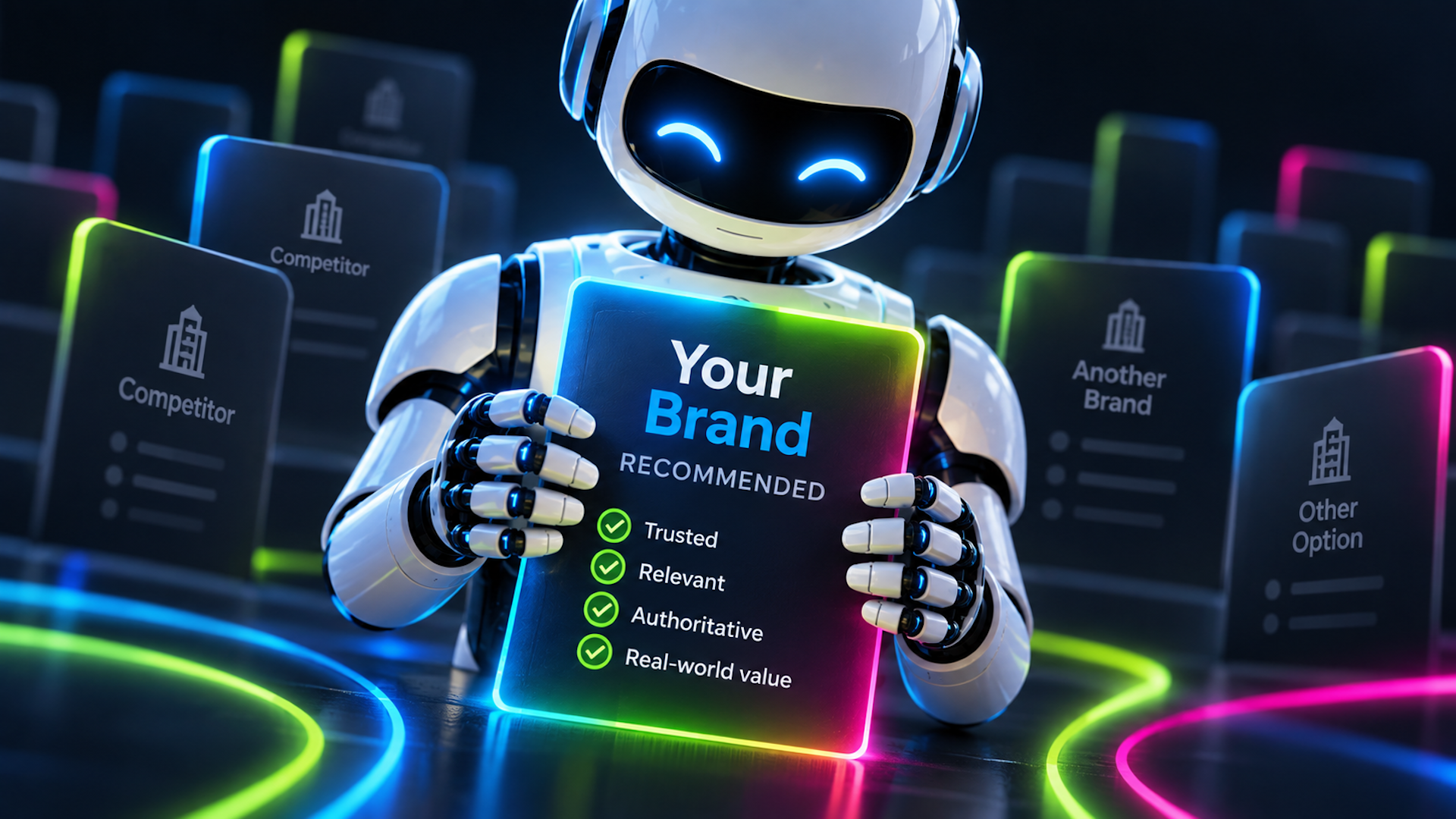
Claude searching the web, ChatGPT’s dedicated search mode, and Gemini’s deepening search integration all point to the same underlying shift: AI assistants are becoming a genuine, growing entry point for how people find information, running parallel to traditional Google search. Before diving into what this means for content strategy, checking our free Keyword Finder tool gives you a sense of what people are still searching for directly on Google, since that channel remains genuinely dominant even as AI search grows.
What’s Actually Changing Across AI Assistants
Anthropic’s Claude chatbot can now search the web for information related to user prompts, according to Yahoo News’ coverage of the update, joining ChatGPT and Gemini in offering genuine, real-time web search integration directly within the chat interface — a meaningful shift from these tools relying purely on static, trained knowledge.
Why This Matters Directly for Content Strategy
As AI assistants increasingly search the live web to answer user questions, they’re functioning as a genuine, additional discovery channel alongside traditional search engines — meaning content that’s well-structured, genuinely authoritative, and easily extractable by an AI system reading it has a real chance of being surfaced and cited within an AI-generated answer, not just a traditional search results page.
How AI Search Actually Differs From Traditional Search Behavior
Traditional search returns a list of ranked links for a user to evaluate and click through themselves. AI-assisted search instead synthesizes an answer directly, often citing sources but not always requiring the user to click through at all — a genuinely different dynamic that changes what “success” looks like for content creators, since being cited without a click still builds genuine brand visibility even without the traffic a traditional ranking would deliver.
What Makes Content Genuinely More Likely to Get Cited by AI Search
Based on how AI systems generally process and synthesize information, a few practical content characteristics genuinely improve citation likelihood:
- Clear, direct answers to specific questions positioned early in the content, rather than requiring extensive scrolling to reach the actual answer
- Genuine, specific expertise and detail that goes beyond generic, widely-duplicated information already available everywhere else
- Proper structure — clear headings, organized lists — that makes content genuinely easier for an AI system to parse and extract accurately
- Recent, current information, particularly for topics where accuracy depends on staying genuinely up to date
Why This Doesn’t Mean Traditional SEO Is Becoming Irrelevant
Despite AI search’s genuine growth, traditional search engine traffic remains the dominant discovery channel for the large majority of websites currently, meaning traditional SEO fundamentals — technical health, quality backlinks, genuine topical authority — remain genuinely essential rather than being replaced by this newer channel. AI search citation is better understood as an additional, growing opportunity layered on top of solid traditional SEO, not a replacement strategy.
How to Actually Start Adapting Your Content Strategy
Rather than treating this as requiring an entirely separate content strategy, a few practical adjustments to existing content genuinely help capture both traditional search and AI search opportunities simultaneously:
- Auditing your strongest existing content specifically for how easily an AI system could extract a clear, accurate answer from it
- Adding genuinely specific, well-sourced detail to content that currently reads as generic or duplicative of widely available information elsewhere
- Ensuring your content includes genuine expertise signals — author credentials, direct experience, specific sourcing — that help both human readers and AI systems trust the content’s accuracy
Why Measuring AI Search Citation Is Still Genuinely Difficult
Unlike traditional search rankings, which tools can measure directly and reliably, tracking whether and how often your content actually gets cited within AI-generated answers remains genuinely difficult, since most AI assistants don’t provide the kind of detailed, queryable citation analytics that Google Search Console offers for traditional search. This measurement gap is a genuine, current limitation worth acknowledging rather than assuming comprehensive tracking is already available.
What This Means for Guest Posting and Link-Building Strategy Specifically
For businesses and agencies focused on content placement and authority-building, this shift reinforces the growing importance of genuine topical authority and citation-worthy content quality over sheer publishing volume, a principle covered in more depth in our comprehensive guide to SEO trends and why GEO matters in 2026, where the same underlying shift toward AI-citation-readiness applies across both dedicated AI search tools and Google’s own AI Overviews feature simultaneously.
What to Actually Do This Week
Picking your three most important existing pages and specifically rewriting their opening sections to answer the core question directly and concisely, before any additional context or elaboration, produces content genuinely better positioned for both traditional search snippets and AI search citation simultaneously. This connects to [CLIENT LINK PLACEHOLDER] our broader coverage of adapting content strategy for an increasingly AI-mediated search landscape, where practical, incremental content adjustments consistently outperform waiting for a complete strategy overhaul before making any changes at all.
Frequently Asked Questions
Should I stop optimizing for traditional Google search rankings in favor of AI search?
No — traditional search remains the dominant discovery channel currently, making AI search optimization a genuine addition to, not a replacement for, solid traditional SEO fundamentals.
Can I track how often my content gets cited by AI assistants like Claude or ChatGPT?
Comprehensive, reliable tracking tools for this specific metric remain genuinely limited compared to traditional search analytics, though this is an active area of development across the SEO tool industry as AI search citation becomes more commercially important to track.
The Bottom Line
As major AI assistants increasingly gain genuine web search capability, content that’s clearly structured, genuinely authoritative, and directly answers specific questions gains a real, additional discovery advantage beyond traditional search rankings alone — making this a genuine opportunity worth adapting for incrementally, without abandoning the traditional SEO fundamentals that remain the dominant driver of most sites’ actual traffic today.