In the world of Search Engine Optimization (SEO), backlinks remain one of the most critical ranking factors. However, many businesses focus solely on building new links from scratch while ignoring a low-hanging fruit that is often sitting right under their noses. This fruit is known as Unlinked Brand Mentions.
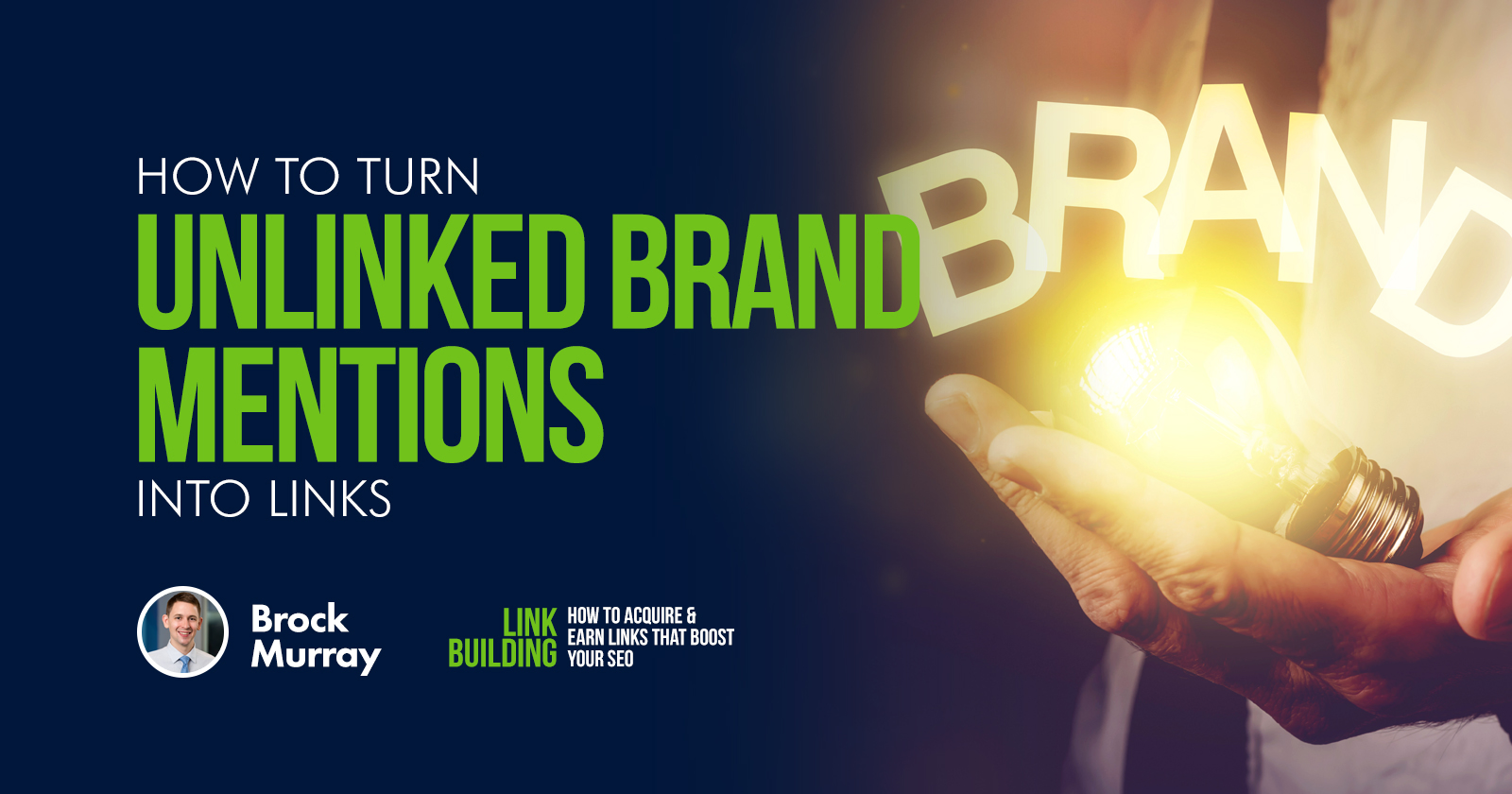
Imagine someone talking about your brand, writing a glowing review, or citing your data—but failing to link back to your website. It is a missed opportunity. In this comprehensive guide, we will explore how to identify these mentions and convert them into high-authority DoFollow links. We will also discuss the tools you need and the outreach strategies that work, all while ensuring you maximize the value of every mention.
What Are Unlinked Brand Mentions?
Before we dive into the tactics, it is essential to understand what constitutes an Unlinked Brand Mention. Simply put, these are instances across the web—on blogs, news sites, forums, or social media—where your brand name, product, or website URL is mentioned, but there is no hyperlink pointing back to your domain.
For example, if a popular industry blogger writes, “We love using [Your Brand Name] for our analytics,” but does not link to your site, that is an Unlinked Brand Mention. While the mention provides brand awareness, it offers zero SEO value in terms of link equity.
Why Do These Mentions Happen?
- Laziness or Oversight: The writer simply forgot to add the link.
- Lack of Knowledge: The author may not know that linking is beneficial or expected.
- Editorial Policy: Some sites have strict policies against outbound links, though this is becoming rarer.
Regardless of the reason, these mentions represent a massive opportunity. By reclaiming them, you can build authority without having to create new content from scratch.
The SEO Value of Converting Unlinked Brand Mentions
Why should you dedicate time to this specific strategy? The answer lies in the quality of the link. When you convert an Unlinked Brand Mention into a DoFollow link, you are essentially asking for a citation that is contextually relevant. Search engines like Google value links that appear naturally within content.
1. High Domain Authority
Typically, the sites that mention your brand are already familiar with your work. They are often industry publications, reputable blogs, or satisfied customers. If these domains have high Domain Authority (DA), the link you gain will be significantly more powerful than a random directory link.
2. Contextual Relevance
Unlike guest posting on a completely unrelated site, Unlinked Brand Mentions occur in a context where your brand is already the topic of discussion. The anchor text is naturally your brand name, which is a safe and effective way to build a natural backlink profile.
3. Ease of Acquisition
Cold emailing for guest posts often has a low success rate. However, when you reach out regarding an Unlinked Brand Mention, you are providing a service to the webmaster—you are fixing a broken user experience. If a reader sees a brand name, they generally expect to click on it to learn more. Your outreach is a helpful correction, making the conversion rate much higher.
How to Identify Unlinked Brand Mentions
You cannot convert what you cannot find. The first step in this process is setting up a robust monitoring system to identify every instance where your brand is mentioned online without a link.
Manual Searches
You can start with simple Google operators. Search for:
- “Your Brand Name” -yourdomain.com
- “YourBrandName” -site:yourdomain.com
This will show you pages that mention your brand but are not on your own website. However, this method is time-consuming and often misses mentions on forums or social media.
Using SEO Tools
To scale this process, you need automation. Tools like Ahrefs, Semrush, and Brand24 allow you to set up alerts for brand mentions. Specifically, you want to look for mentions that are “unlinked.” In Ahrefs, you can go to Content Explorer or Brand Mentions to filter results that include your brand name but do not include a backlink to your domain.
Social Listening
Don’t forget about platforms like Reddit, Twitter (X), and niche forums. While links from social media are often “nofollow,” they can still drive referral traffic and sometimes lead to organic editorial links from journalists who monitor these discussions.
Subheading Strategy: Categorizing Your Mentions
Not all Unlinked Brand Mentions are created equal. To run a successful campaign, you must categorize them based on the potential value and the approach you will take. Categorizing them into tiers helps you prioritize your outreach efforts.
Tier 1: High-Value Editorial Mentions
These are mentions on high-authority news sites, industry-leading blogs, or Wikipedia. If a journalist wrote a roundup and mentioned your product, this is a high-priority target. The link here is usually expected, and the conversion rate is high.
Tier 2: Customer Reviews and Forum Discussions
If a customer mentions your brand in a forum asking for support or giving a testimonial, these are valuable for brand trust. However, you must be careful. Spamming links in forums can look spammy. Instead, politely ask the original poster or the moderator if you can add a resource link.
Tier 3: Resource Pages and Listicles
Sometimes, your brand appears in a list like “Top 10 Tools for Designers” but without a link. This is arguably the lowest hanging fruit. The author has already qualified you as a top resource; they simply forgot to link out.
The Art of the Outreach Email
Once you have a list of prioritized Unlinked Brand Mentions, the next step is outreach. The success of this strategy hinges entirely on the quality of your email communication. You are not selling anything; you are helping.
The “Helpful” Approach
Your email should be short, polite, and focused on improving the user experience. Acknowledge that you appreciate the mention and simply ask if they would be willing to add a link for the convenience of their readers.
Subject: Quick suggestion regarding your article on [Topic]
Body:
Hi [Name],
I was just reading your excellent piece on [Topic] and noticed you mentioned [Your Brand Name]. Thanks so much for including us!
I noticed the mention wasn’t linked. If you think it’s a good fit, would you mind linking it to our site? I think your readers might find it helpful if they want to explore further.
Here is the link: [Your URL]
No pressure at all, and thanks again for the shout-out!
Best,
[Your Name]
When to Use the Internal Link
As you craft your outreach emails, you may want to direct the webmaster to a specific resource that adds value. For instance, if they are mentioning your brand in the context of a “how-to” guide, you might want to link to a specific blog post rather than your homepage.
Speaking of valuable resources, if you are looking for a platform to manage or acquire high-quality backlinks to support this strategy, you might want to explore resources that streamline the process. For a curated list of opportunities and services, check out the comprehensive guides available on premiumlinkpost when you visit their blogs section. This can serve as a resource to understand the landscape of link building further.
Following Up
People are busy. If you don’t hear back in 5–7 days, send a polite follow-up. Do not be aggressive. A simple “Just bumping this to the top of your inbox in case you missed it” is usually sufficient.
The Technical Side: DoFollow vs. NoFollow
When you successfully convert an Unlinked Brand Mention, your goal is usually to acquire a “DoFollow” link. However, it is important to understand the distinction.
- DoFollow Links: These are standard links that pass “link juice” (PageRank) from the referring domain to your site. This is what boosts your SEO rankings.
- NoFollow Links: These links contain a rel=”nofollow” tag that tells search engines not to pass authority. While they are still valuable for traffic, they do not directly help with rankings.
When asking for a link, you generally want a DoFollow link. However, do not explicitly demand it in your outreach. If the site has an automatic nofollow policy (like Wikipedia or many forums), there is little you can do. Accept the traffic and brand visibility; sometimes the referral traffic is worth more than the SEO value.
Tools to Automate Unlinked Brand Mentions
Managing Unlinked Brand Mentions manually becomes impossible at scale. Here are the best tools to help you automate the identification and management process.
1. Ahrefs
Ahrefs has a dedicated “Brand Mentions” feature under the Content Explorer tool. You can enter your brand name, filter by “unlinked” mentions, and sort by Domain Rating. It tells you exactly which pages mention you but do not have a backlink.
2. Google Alerts
This is the free, classic option. Set up an alert for your brand name. Every time Google indexes a new page with your brand name, you get an email. You then have to manually check if the page links to you.
3. Semrush
Semrush’s Brand Monitoring tool allows you to track mentions across the web. You can set up projects to identify unlinked mentions and even track the sentiment (positive vs. negative) of those mentions.
4. BuzzSumo
BuzzSumo is excellent for identifying influencers and authors who have mentioned you. It allows you to sort by domain authority and find the contact information for the author, making outreach much easier.
Common Mistakes to Avoid
While converting Unlinked Brand Mentions is a relatively safe SEO tactic, there are pitfalls you need to avoid to ensure you don’t damage your brand reputation.
Being Too Salesy
The outreach email is not a sales pitch. If you start the email with “We noticed you didn’t link to us, please fix this,” you will likely be ignored or marked as spam. Always lead with appreciation.
Ignoring Negative Mentions
What if someone mentions your brand in a negative context? Do not reach out to them asking for a link. This will only escalate the negative sentiment. Instead, focus on resolving the customer service issue first. If you turn a negative experience into a positive one, you can sometimes ask for an updated mention with a link, but proceed with extreme caution.
Using Generic Templates
While a template is a good starting point, you must personalize the email. Mention something specific about the article or the website. If you show you actually read the content, the webmaster is far more likely to help you.
Measuring Success
To justify the time spent on this strategy, you need to track your metrics. Create a spreadsheet or use a CRM to track:
- Number of Mentions Found: How many Unlinked Brand Mentions did you identify?
- Outreach Sent: How many emails did you send?
- Conversion Rate: How many of these turned into DoFollow links?
- Domain Authority Gained: What is the average DA of the sites that linked to you?
Over a quarter, a successful campaign might convert 20-30% of outreach attempts into actual links. Given the high quality of these links (contextual, branded anchor text, relevant), this is often one of the highest ROI activities in SEO.
Integrating This into Your Overall SEO Strategy
Converting Unlinked Brand Mentions should not be a one-off project; it should be an ongoing part of your digital PR and SEO strategy. Every time you launch a new product, get featured in the press, or receive a review, set a reminder to check for unlinked mentions 30 days later.
Additionally, you should combine this strategy with other link-building tactics. While you are reclaiming unlinked mentions, you should also be creating linkable assets. For example, you can use the internal resources found on platforms like premiumlinkpost to understand market trends. Specifically, their blogs section often contains data-driven insights that you can use to pitch to journalists, ensuring that future mentions come with links attached from the start.
The Future of Unlinked Brand Mentions
As Google’s algorithms become more sophisticated, the distinction between brand authority and link authority continues to blur. Google’s E-E-A-T (Experience, Expertise, Authoritativeness, Trustworthiness) guidelines suggest that being mentioned by reputable sources is crucial, even without links.
However, links remain a top ranking factor. By proactively managing your Unlinked Brand Mentions, you are not just building links; you are solidifying your brand’s footprint across the web. You are ensuring that when people talk about you, they direct their audience to you seamlessly.
In the coming years, AI-driven content creation may increase the number of unlinked mentions, as AI tools often summarize information without citing sources (or citing them poorly). This presents an even greater opportunity for brands to step in and claim the citations they deserve.
Conclusion
In the competitive landscape of SEO, overlooking Unlinked Brand Mentions is like leaving money on the table. These mentions represent a direct endorsement of your brand that is currently failing to provide the maximum benefit to your SEO performance.
By setting up proper monitoring systems, categorizing your opportunities, and executing polite, helpful outreach, you can turn these plain-text mentions into high-authority DoFollow links. This strategy yields some of the highest conversion rates in link building because it relies on content that already exists and authors who are already friendly to your brand.
Remember to integrate this with your broader marketing efforts. Keep an eye on your brand mentions weekly, and always keep a link handy to your most relevant pages—whether it’s your homepage, a product page, or a resource like the blogs section of a trusted partner site. Consistency in this effort will yield a steady stream of high-quality backlinks that will boost your rankings and your reputation for years to come.