How to Rank Website on Google in 2026: Complete Beginner Guide
 RankNewly SEO EXPERT
If you want to know how to rank website on Google in 2026, you're in the right place. This complete beginner guide breaks it down into easy steps. No fancy tech needed—just clear actions you can take today. Google changes its rules often, but the basics stay strong. Focus on what users love, and rankings follow. Let's start with the foundations.
What Is SEO and Why Does It Matter in 2026?
SEO stands for Search Engine Optimization. It helps your site show up higher in Google searches. In 2026, Google uses over 200 factors to rank sites. But don't worry. You don't need to master them all at once.
Google wants sites that help people. It rewards pages with good info, fast loads, and easy navigation. A study from Backlinko shows top pages load in under 2 seconds. Slow sites lose visitors fast.
For beginners, start small. Pick one area, like keywords, and build from there. This guide covers everything you need.
Understanding Google's Algorithm in 2026
Google's algorithm decides who ranks where. In 2026, key changes focus on user experience and AI smarts.
Google algorithm updates 2026 stress Content Experience (CX). This means your page must feel great to use. No more stuffing keywords. Align with what searchers want.
Search Intent Alignment stays king. If someone searches "best coffee maker," give reviews, not just sales pitches. E-E-A-T—Experience, Expertise, Authoritativeness, Trustworthiness—gets stricter. Show you're an expert with real facts.
A QuadCubes report says CX is now the top factor. Backlinks and technical fixes matter too.
Step 1: Keyword Research Basics
Keywords are words people type into Google. Find the right ones to attract visitors.
Use free tools like Google Keyword Planner. Look for long-tail keywords like "how to choose a beginner camera in 2026." These have less competition.
Aim for search volume over 100 monthly, but under 1,000 for starters. Include LSI semantic keywords like "camera features" or "budget options."
Steps to do keyword research:
- Brainstorm ideas. Think about your topic.
- Check competitors. See what ranks high.
- Use tools. Enter seeds and get suggestions.
- Pick winners. Choose easy-to-rank terms.
A ClickRank AI guide notes intent-driven keywords win in 2026. Don't overdo it—use them naturally.
Step 2: On-Page SEO Optimization
On-page SEO fixes things on your site. It's simple and powerful.
Start with titles. Include your focus keyword, like "How to Rank Website on Google in 2026." Keep under 60 characters.
Meta descriptions pull in clicks. Make them inviting.
Headings help. Use H1 for main title, H2 for sections like this one.
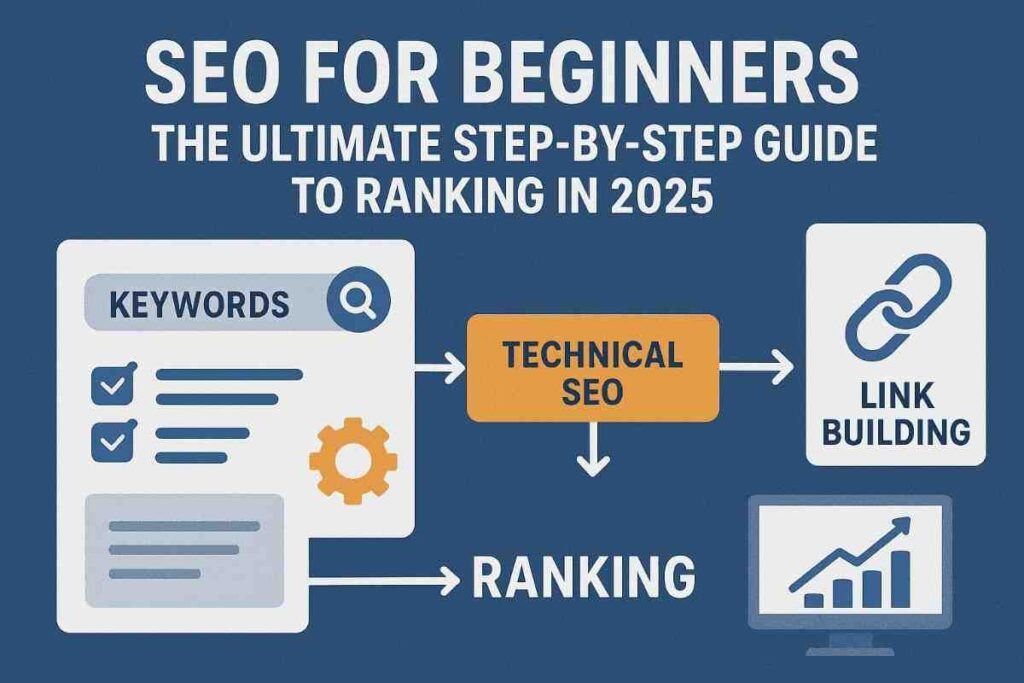
Add alt text to images: "SEO steps infographic."
Bold key terms like on-page optimization for readability.
Lists break up text. For example:
- Optimize URLs: Keep them short, like /seo-guide-2026.
- Internal links: Point to other pages on your site.
- External links: Link to trusted sites for authority.
NoGood says text relevance tops the list.
Step 3: Create High-Quality Content
Content is queen in 2026. Google loves helpful, original stuff.
Write for people, not bots. Use short sentences. Aim for grade 4 readability—like this guide.
Human-written content ranks higher. A RankNewly article explains why: It has depth and trust. AI helps with drafts, but edit with your voice.
Include stats: 83% of top pages are human-made.
Tips:
- Answer questions fully.
- Use examples: If teaching baking, share a simple recipe.
- Add quotes: "Content must match user needs," says Google's Danny Sullivan.
Blend content optimization with visuals. Update old posts yearly.
Step 4: Build Backlinks the Right Way
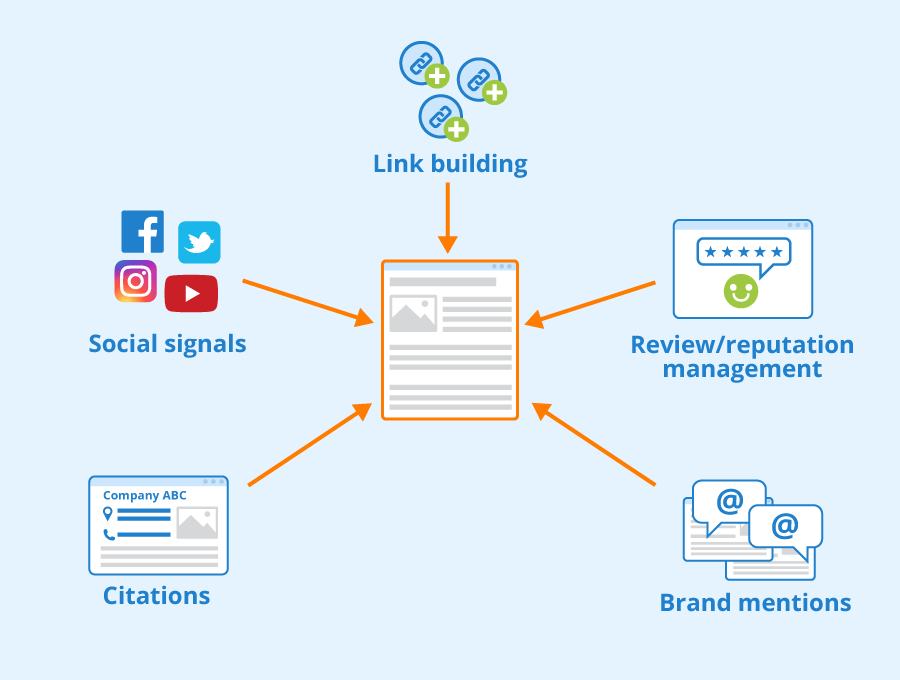
Backlinks are links from other sites to yours. They build trust.
In 2026, quality beats quantity. Focus on relevant sites.
Strategies from RankNewly's partnerships guide: Team up for co-content. Sponsor events or swap mentions.
Avoid spam. Use outreach: "Hi, loved your post. Here's how my guide adds value."
Tools like Ahrefs track links. Aim for 5-10 monthly as a beginner.
Backlink strategies 2026 include natural partnerships. Linkz Media offers great resources for this. Check their services.
Step 5: Technical SEO Fixes
Technical SEO makes your site work well.
First, mobile-friendly. Over 60% of searches are mobile. Use responsive design.
Page speed: Compress images, use caching.
Secure with HTTPS. It's a ranking signal.
Fix crawl errors in Google Search Console. Submit a sitemap.
Technical SEO tips: Run audits weekly. Tools like Screaming Frog help.
Step 6: Improve User Experience
Users stay if your site feels good.
Core Web Vitals measure load time, stability, interactivity.
Add easy navigation. Use menus and search bars.
Reduce bounce rates with engaging intros.
Personalization helps: Show related content.
LinkedIn notes Search Experience Score is key.
Step 7: Local SEO for Businesses
If you have a local spot, optimize for maps.
Claim Google Business Profile. Add photos, hours.
Get reviews: Aim for 10+.
Consistent NAP (Name, Address, Phone).
LocalDom says proximity and relevance rule.
Step 8: Monitor and Adjust
SEO isn't set-it-forget-it. Track progress.
Use Google Analytics for traffic.
Search Console shows rankings.
Adjust based on data. If a page drops, update it.
SEO strategies 2026 evolve. Stay updated via RankNewly's SEO category.
Common Mistakes to Avoid
Don't keyword stuff. It hurts rankings.
Ignore mobile at your peril.
Skip E-E-A-T: No author bios mean less trust.
Buy links: Risk penalties.
Over-rely on AI: Human touch wins.
FAQs
What are the top Google ranking factors in 2026?
Content quality, search intent, E-E-A-T, backlinks, and technical SEO.
How long does it take to rank on Google?
3-6 months for new sites, but consistent effort speeds it up.
Is AI content okay for SEO?
Yes, if human-edited for quality.
Do I need expensive tools?
No, start with free ones like Google tools.
How to rank website on Google in 2026 for free?
Focus on content, keywords, and on-page fixes.
Conclusion
You've got the tools for how to rank website on Google in 2026. Start with keywords, build great content, earn backlinks, and fix tech issues. Stay patient—results build over time. This complete beginner guide sets you up for success. Remember, help users first, and Google rewards you.
What's your first step to improve your site's ranking?
References
- Partnerships, Sponsorships & Collaborations Guide - For backlink strategies. Target audience: SEO pros seeking growth through relationships.
- SEO Category on RankNewly - Collection of SEO tips. Audience: Beginners and marketers looking for latest tactics.
- Human-Written vs AI Content - Insights on content ranking. Audience: Content creators balancing AI and human work.
- Backlinko Google's Ranking Factors - Comprehensive list. Audience: SEO enthusiasts.
- QuadCubes SEO Factors 2026 - Update on CX and intent. Audience: Digital marketers.
#1 Guest Post Marketplace for buying Guest Posts- RankNewly
The future of link Building is here Linkz.media. Say goodbye to manual outreach. Reach a Wider Audience and build Authority with AI-suggested guest blogging on high-DA websites. Contact us: Businesstomark@gmail.com